Mastering Every VWAP Variant
Anchored, Session & Multi-Timeframe
From session resets to quarterly anchors — the complete professional guide to VWAP for fair value trading.
Introduction to VWAP: The Institutional Benchmark for Fair Value
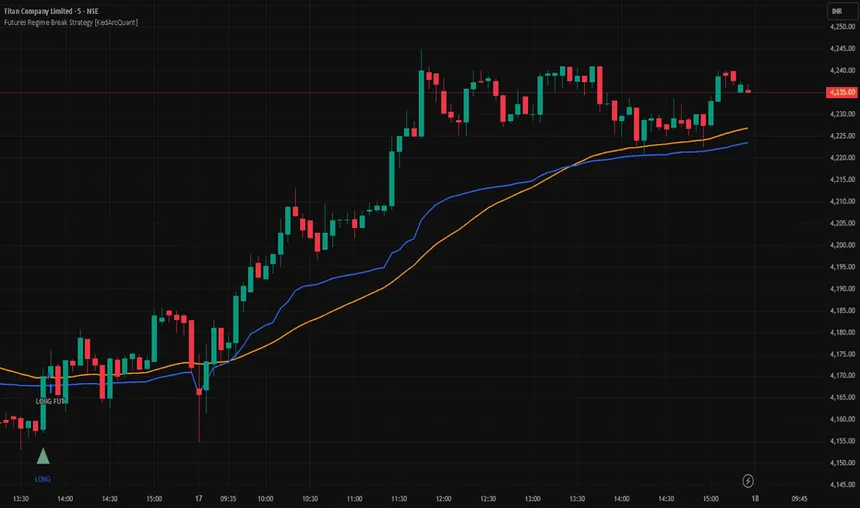
The Volume Weighted Average Price (VWAP) is a cornerstone indicator in professional trading, representing the average price weighted by volume over a specified period. It provides a "fair value" reference that large players defend, making it essential for gauging market bias and identifying high-probability zones.
Unlike simple moving averages, VWAP incorporates volume, emphasizing prices where the majority of trading occurred. This makes it invaluable for day traders, scalpers, and swing traders across futures, stocks, and crypto.
Free Anchored VWAP script: https://www.tradingview.com/scripts/vwap/
Beginner Level: Session VWAP Basics and Applications
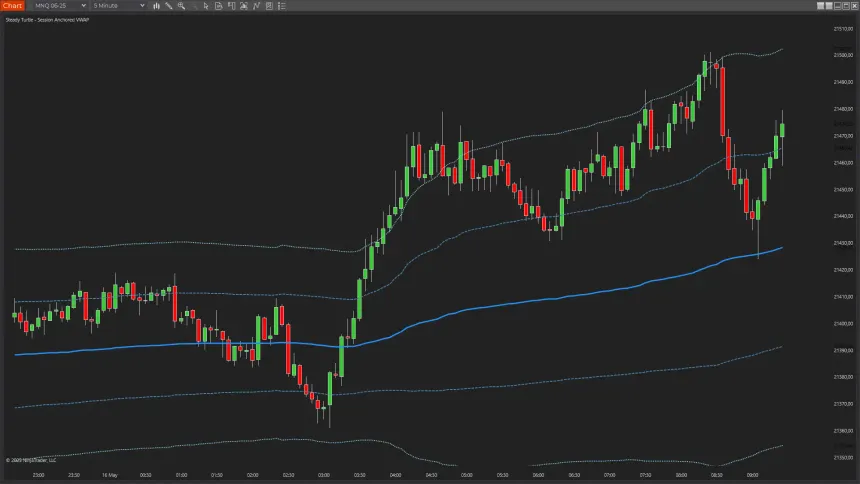
Session VWAP resets at the open of each trading day, calculating the average price based on cumulative volume and price.
Basic Interpretation
- Price above VWAP: Bullish bias, potential long opportunities.
- Price below VWAP: Bearish bias, favoring shorts.
Standard Deviations
- SD1/SD2 bands (volume-weighted): Act as dynamic overbought/oversold levels.
Pro Tip for Beginners
Start with intraday charts and watch for price retests of VWAP as entry points with tight stops.
Common Pitfalls
- Ignoring volume: VWAP is less reliable in low-volume sessions.
- Overtrading: Use with trend filters like EMAs.
Intermediate Level: Anchored VWAP Mastery and Custom Anchors
Anchored VWAP (AVWAP) starts from a user-defined point, such as a news event or swing extreme, providing a persistent reference line.
Best Anchors
- Major swing lows/highs: For trend continuation.
- Gaps or catalysts (e.g., FOMC announcements): Captures post-event value.
- Earnings releases: Tracks institutional reactions.
High-Probability Setup
Price sweeps below Anchored VWAP then reclaims it — signaling institutional buying and trapped sellers.
Intermediate Strategies
- Multi-Anchor Approach: Overlay session and weekly Anchored VWAP for confluence.
- Deviation Bands: Use SD2 as extreme reversal zones.
Advanced Level: Multi-Timeframe VWAP and VWAP Close
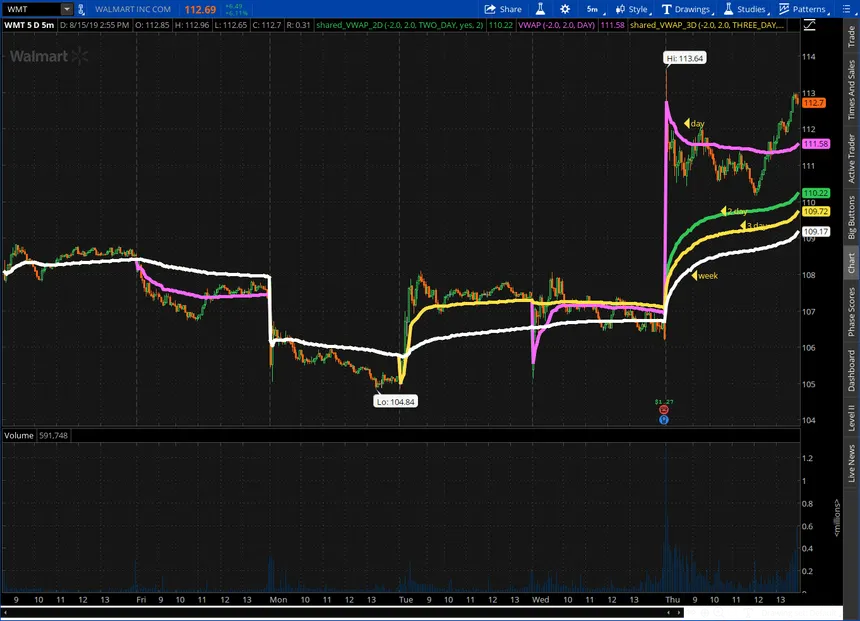
Multi-Timeframe VWAP
- Daily/Weekly: Short-term anchors for intraday bias.
- Monthly/Quarterly: Long-term magnets that price gravitates toward.
VWAP Close
Calculates VWAP until market close, providing a benchmark for the next session's open — ideal for gap trading.
Advanced Integration
- Confluence: Align VWAP with Volume Profile POC for high win-rate zones.
- Custom Periods: Anchor to quarterly earnings for stocks or halving events in crypto.
Expert Workflow: Settings, Optimization, and Risk Management
Expert Settings on TradingView/ATAS
- Enable deviations (SD1/SD2/SD3), anchor to session open, display previous day VWAP.
- Colors: Blue for VWAP line, shaded bands for deviations.
Pro Workflow
- Morning Prep: Plot weekly/monthly VWAP as key levels.
- Intraday: Trade reclaims of session/anchored VWAP with order flow confirmation.
- Exit: Target SD2 or next timeframe VWAP.
Risk Management
- Stops: Place beyond SD1 (1-2% risk).
- Position Sizing: Scale in at confluence; avoid overleveraged trades.
Optimization
- Backtest: Focus on win rates at VWAP retests.
- Combine: With CVD for aggression confirmation or TPO for value areas.
Conclusion & Next Steps
VWAP variants offer a robust framework for identifying fair value and institutional intent, adaptable to any market or timeframe.
Key Resources
- Optimus Futures Anchored VWAP Guide: https://optimusfutures.com/blog/anchored-vwap-tradingview/
- TradingView VWAP Scripts: https://www.tradingview.com/scripts/vwap/
- ATAS VWAP Documentation: https://atas.net/blog/vwap-indicator/
Further Reading & Resources